Fall HVAC Prep Checklist for Fayetteville Homeowners
Fall in Fayetteville is the sweet spot for HVAC maintenance — the AC gets a break, the heat hasn’t kicked into high gear yet, and HVAC schedules are a little more open than they’ll be in January. Taking care of a few items now means your system is ready when the first cold snap hits.
Schedule a Heating Tune-Up
This is the single most valuable thing on the list. A professional tune-up before heating season catches small problems before they become middle-of-the-night emergencies. During a fall tune-up, our technicians will:
- Inspect the heat exchanger for cracks (a carbon monoxide safety issue on gas furnaces)
- Test ignition, burners, and flame sensors
- Check refrigerant levels and reversing valve operation on heat pumps
- Tighten electrical connections and measure amp draw
- Verify thermostat calibration and safety controls
Systems that get annual maintenance last longer, run more efficiently, and break down less — it’s the cheapest insurance your HVAC system can get.
Change Your Air Filter
If your filter has been sitting there since summer, it’s overdue. A dirty filter restricts airflow, forces your blower to work harder, and drives up your energy bill. Start heating season with a fresh one, then check it monthly.
Test the Heat Before You Need It
Pick a mild afternoon and run your heat for 15–20 minutes. You’re checking for:
- Burning dust smell: Normal for the first cycle or two — it’s dust burning off the heat strips or exchanger. It should clear quickly.
- Persistent or gas-like odors: Not normal. Shut the system off and call a technician.
- Strange noises: Banging, squealing, or grinding sounds mean something’s loose or failing.
- Weak airflow or cold spots: Could point to duct issues or a struggling blower.
Finding a problem on a 65° afternoon is a lot better than finding it on a 30° morning.
Clear the Area Around Your Equipment
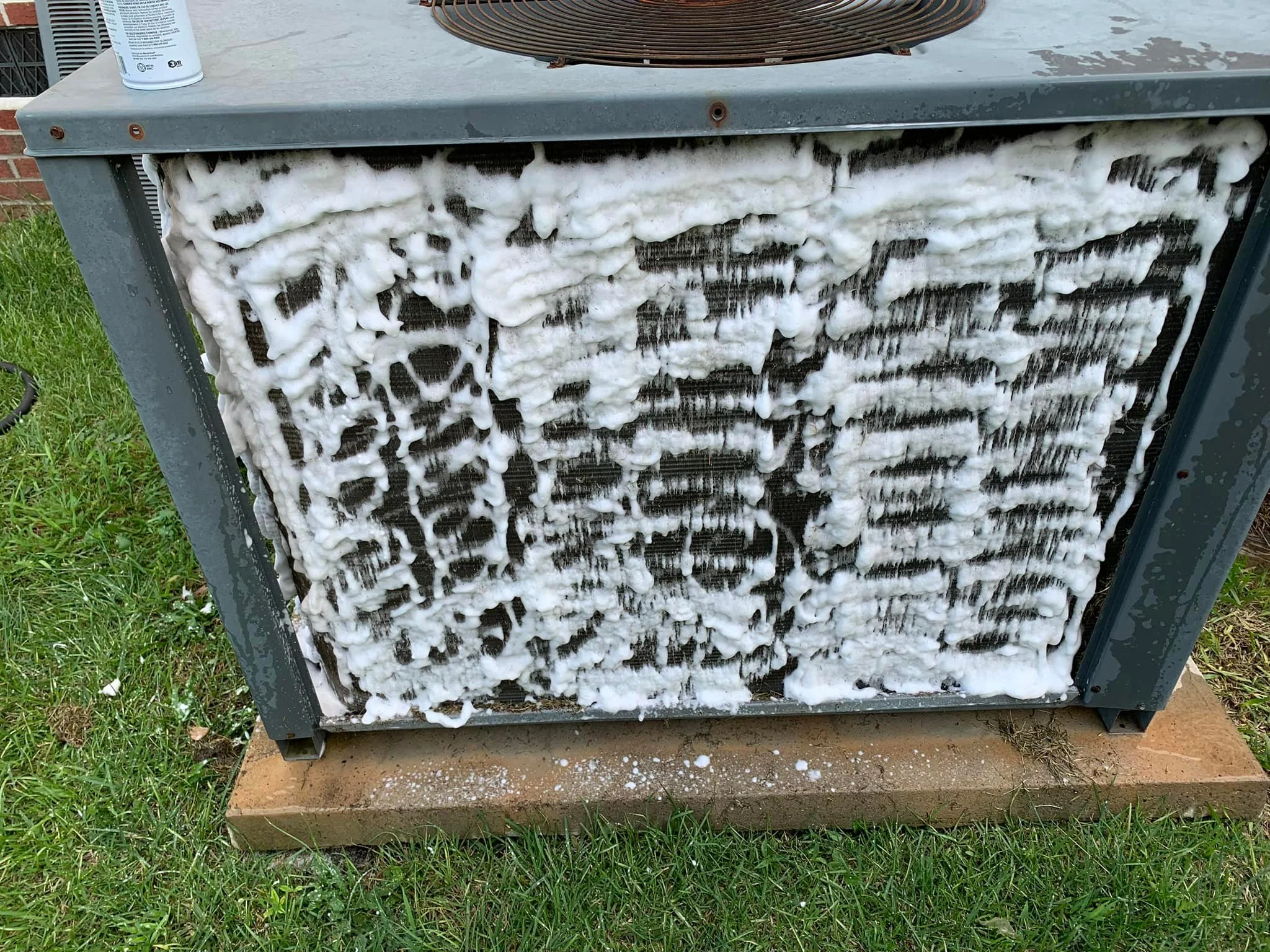
- Outdoor unit (heat pumps): Clear leaves, pine straw, and debris at least 2 feet in every direction. Fall foliage clogs coils fast.
- Indoor unit/furnace: Don’t store boxes, paint, or anything flammable near the furnace or air handler.
- Vents and registers: Make sure furniture, rugs, and curtains aren’t blocking supply or return vents.
Check Your Thermostat
- Replace the batteries if it’s been a year or more
- Switch from cooling to heating mode and confirm the schedule still makes sense
- If you’re still running an old manual thermostat, fall is a great time to upgrade to a smart or programmable model — the energy savings typically pay for it within a year or two
Test Smoke and Carbon Monoxide Detectors
Heating season is when carbon monoxide risk goes up, especially with gas furnaces. Test every detector in the house, replace batteries, and make sure you have a CO detector on each level of your home — especially near sleeping areas.
Reverse Your Ceiling Fans
Most ceiling fans have a switch that reverses blade direction. In winter, set them to spin clockwise at low speed — this pushes warm air that collects at the ceiling back down into the living space without creating a draft.
Seal Up Drafts
Your heating system works harder when warm air leaks out. Check weatherstripping around doors and windows, seal gaps around pipes and outlets on exterior walls, and make sure attic access hatches are insulated and sealed.
Know When to Call a Professional
If your system is more than 10–15 years old, makes unusual noises, cycles on and off constantly, or your energy bills keep climbing, it’s worth having a technician take a look before winter. Catching a failing component in October beats an emergency call in December.
At Up Rise Heating & Air, we help Fayetteville homeowners get their systems winter-ready with thorough fall tune-ups and honest recommendations. No upsells, no scare tactics — just the maintenance your system actually needs.
Ready to schedule your fall tune-up? Call us at 910-824-0640 and we’ll get you on the calendar.